
After my university hustle days which I have attempted to chronicle here , I started an accounting practice in 2013 and needless to say, v...
After my university hustle days which I have attempted to chronicle here, I started an accounting practice in 2013 and needless to say, very few of the computers, furniture etc I acquired at the start are still in good working condition.
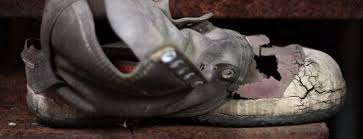
The challenge with most business assets is that they lose value (depreciate) over time. When this happens, they eventually get to a state where they are no longer in usable state. Thus, there is a need to repair, overhaul or replace.
If one does not manage this very well, the capital outlay required to replace this assets might be as significant as what was required at startup if not more.
I have seen many businesses who have made good returns only to die or start operating poorly because their assets stopped functioning optimally and they couldn't replace them.
A couple of ideas:
1. Have a list of assets and regularly track the working state of those assets.
2. Have an estimated useful life for all your assets
3. Maintain your assets properly and adopt a preventive maintenance culture
4. Set aside an amount annually to replace these assets.
5. Plan to raise additional capital if required (Equity or Debt)
6. Plan and schedule asset replacement that matches cashflow position
7. Use replacement theory to craft your asset replacement strategy
Calculating depreciation and including it in your financial statements is not enough. You need to set aside a corresponding amount in cash if not more (to accommodate growth in operations and inflation).
The harsh reality is that nothing lasts forever. Not even your favorite macbook pro which you used to launch your digital marketing agency. 😃
The challenge with most business assets is that they lose value (depreciate) over time. When this happens, they eventually get to a state where they are no longer in usable state. Thus, there is a need to repair, overhaul or replace.
If one does not manage this very well, the capital outlay required to replace this assets might be as significant as what was required at startup if not more.
I have seen many businesses who have made good returns only to die or start operating poorly because their assets stopped functioning optimally and they couldn't replace them.
A couple of ideas:
1. Have a list of assets and regularly track the working state of those assets.
2. Have an estimated useful life for all your assets
3. Maintain your assets properly and adopt a preventive maintenance culture
4. Set aside an amount annually to replace these assets.
5. Plan to raise additional capital if required (Equity or Debt)
6. Plan and schedule asset replacement that matches cashflow position
7. Use replacement theory to craft your asset replacement strategy
Calculating depreciation and including it in your financial statements is not enough. You need to set aside a corresponding amount in cash if not more (to accommodate growth in operations and inflation).





1 comment
I really liked the way this article was structured and presented.
The paragraphs were easy to read and didn’t feel overwhelming at any point. The tone felt friendly and informative, which made the reading experience pleasant. I also found the information to be very practical and relevant. This is the kind of blog post that adds real value. Looking forward to reading more from you.
Post a Comment